Blogs OAK LED

OAK LED

Blogs

LED Flood Lights

How do I evaluate whether an LED flood light supplier can provide lighting design?

Choose a high-power LED flood light supplier by verifying five things before award: site-based photometric design, traceable fixture and optic data, project-specific customization, manufacturing capability, and clearly documented delivery and warranty support. For an overseas stadium, airport, port, high-mast or large outdoor lighting project, the real procurement risk is rarely whether a supplier can offer enough wattage. The harder questions are whether the proposed wattage and optics have a design basis, whether the simulation matches the product that will actually be supplied, and whether the supplier can support revisions when site conditions change. A practical evaluation follows this path: Project…

Read More »
led outdoor flood light

How to Choose LED Flood Light Optics for Large Outdoor Areas: Reduce Glare, Spill Light and Dark Zones

Choose LED flood light optics by matching beam distribution, shielding, aiming and fixture layout to the site geometry, mounting height and throw distance so usable light reaches the target while glare, spill light and dark zones are controlled. Two flood lights can deliver similar lumen output yet produce very different results across the same outdoor site. Change the beam distribution, mounting height, fixture position or aiming, and the light reaching the target area can shift along with glare, spill light and uniformity. This is why wattage and lumens should never be reviewed on their own. A practical design process follows…

Read More »
marine flood light

Marine LED Lights for Coastal Projects: How to Prevent Corrosion and Improve Uniformity

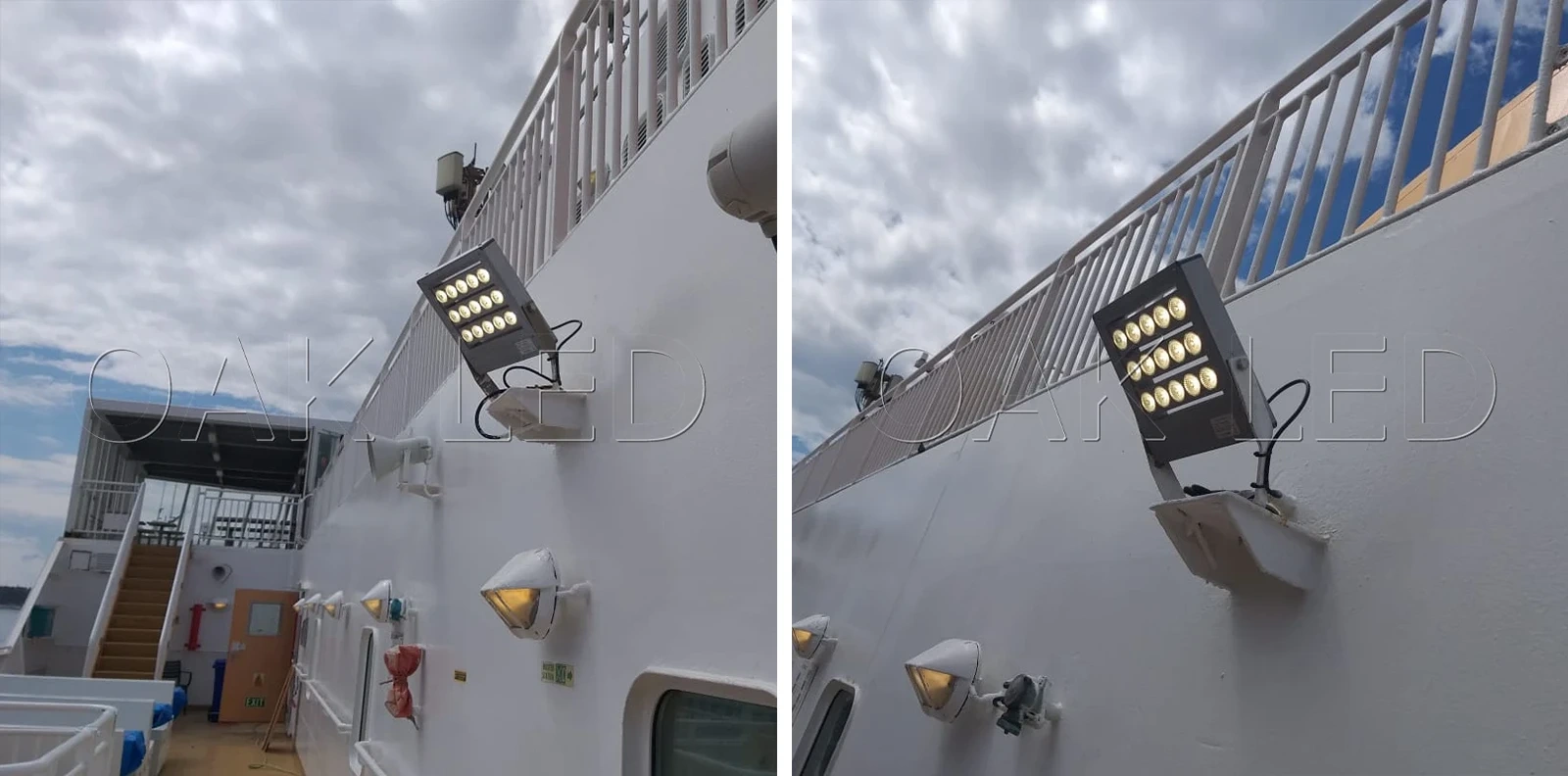
Marine LED lights perform reliably in salt-spray environments only when corrosion protection, mounting materials and lighting configuration are considered as one system. Corrosion-resistant housings and brackets, protective surface treatments, sealed electrical interfaces and compatible material combinations help protect the fixture, while the actual exposure level, mounting position and maintenance conditions determine how well that protection works in service. Once environmental protection is confirmed, beam angle, wattage, fixture quantity and controls still need to be matched to the lighting task. This is why selecting coastal or marine lighting from an IP rating alone creates a gap in the decision process. Waterproofing…

Read More »
Low Voltage LED Landscape Flood Lights

How to Select LED Flood Lights for Airports, Seaports, High-Mast and Extreme Environments

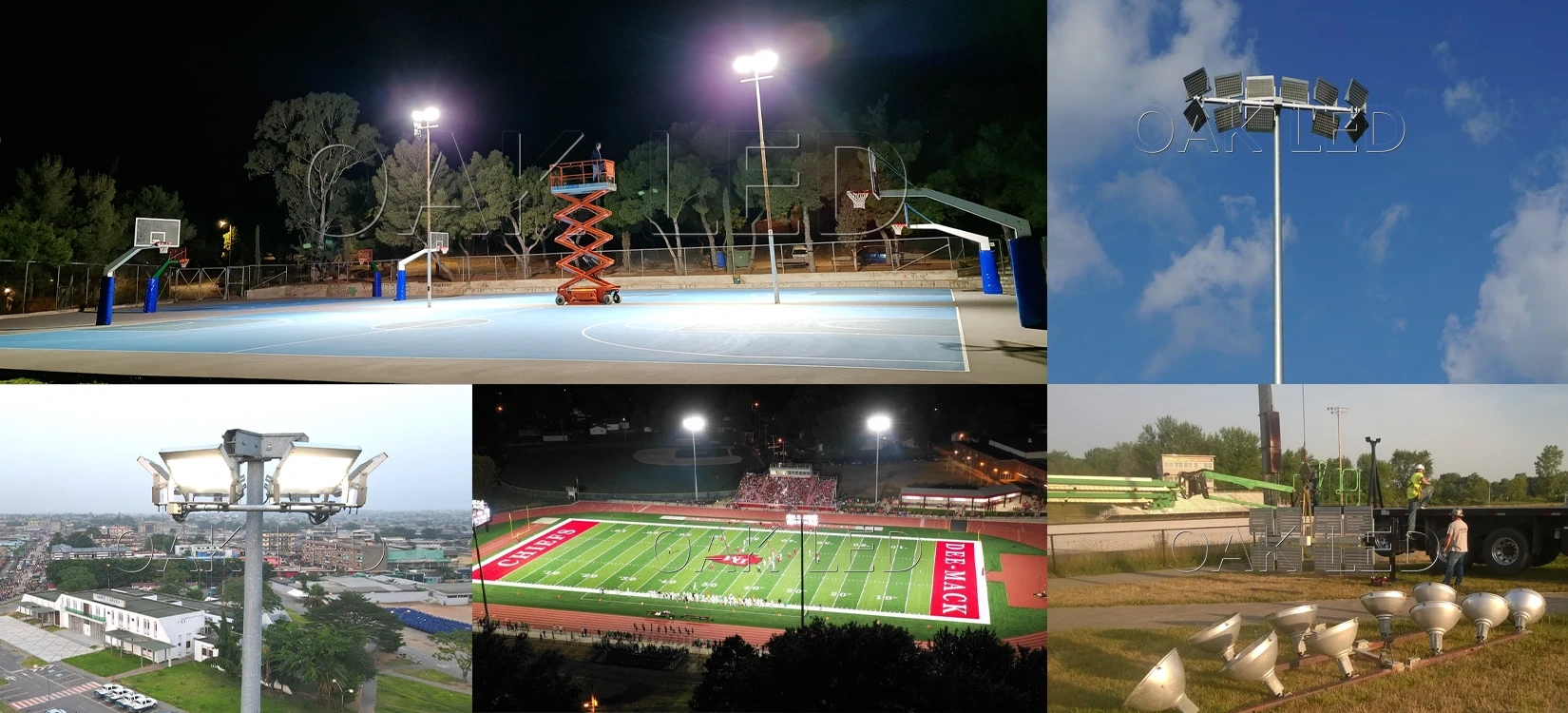
There is no single wattage, beam angle or IP rating that automatically makes an LED flood light suitable for an airport, seaport, high-mast installation or harsh outdoor environment. A fixture that performs well on one site can produce dark zones, excessive glare or poor coverage on another. The better approach is to start with the project: application, site dimensions, pole height, throw distance, target illuminance, uniformity, glare control, environmental exposure and applicable project requirements. Those inputs determine the output, optics, fixture quantity, materials and protection needed. Photometric calculation then verifies whether the proposed configuration actually delivers the required lighting performance. In…

Read More »
Comparison Between LED Street Lights And HPS

How to Choose an LED Street Light Manufacturer for Your Road Lighting Project

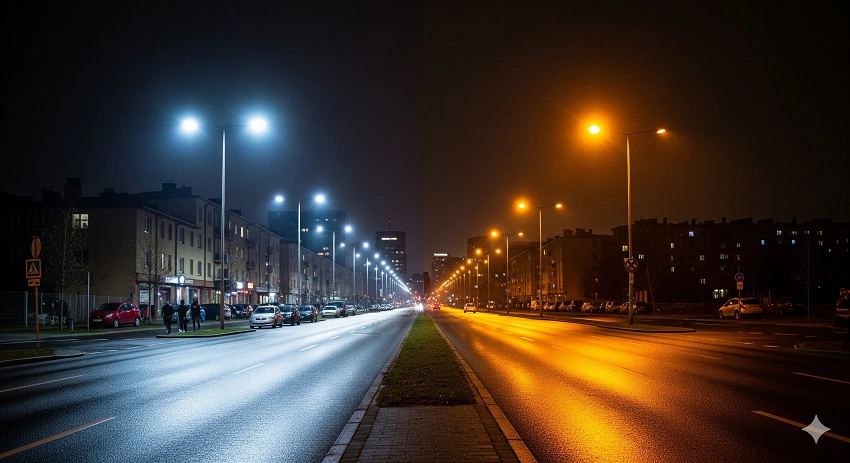
Choosing an LED street light manufacturer should not begin with a catalogue, wattage list, or the lowest unit price. A fixture that works on one road may deliver poor coverage or uniformity on another. The road itself should drive the specification. For highways, intersections, municipal roads, and retrofit projects, buyers should check whether the manufacturer can turn road data into a workable lighting solution. Road width, pole height, pole spacing, existing infrastructure, target lighting requirements, voltage, and environmental conditions should inform output, optics, quantity, and layout. Buyers should compare road-lighting design, optical engineering, manufacturing quality, customization, relevant project experience, warranty,…

Read More »
outdoor-horse-arena-lights

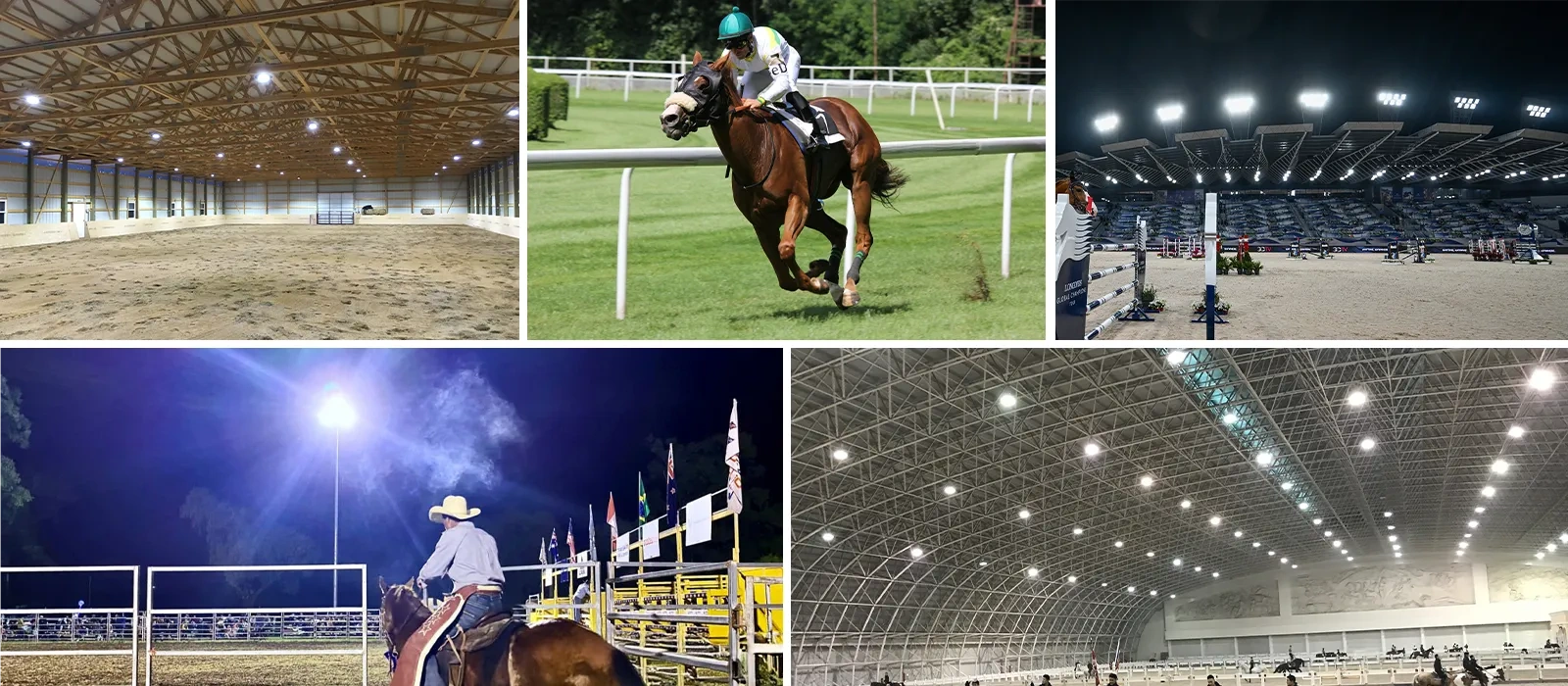
Cheap Horse Arena Lighting: How to Lower Costs Without Sacrificing Safety or Coverage

Searching for cheap horse arena lighting usually means one thing: you need a practical way to light the arena without overspending. The lowest-priced fixtures, however, do not automatically create the lowest-cost project. Poor beam distribution can force extra fixtures, leave dark corners or increase maintenance in hard-to-reach locations. Affordable horse arena lighting starts with matching the lighting level and fixture layout to the arena size, mounting conditions and intended use. A practical budget compares fixture and installation cost with energy use, maintenance access and the lighting performance delivered across the riding surface. In other words, lower total project cost usually…

Read More »
film lighting

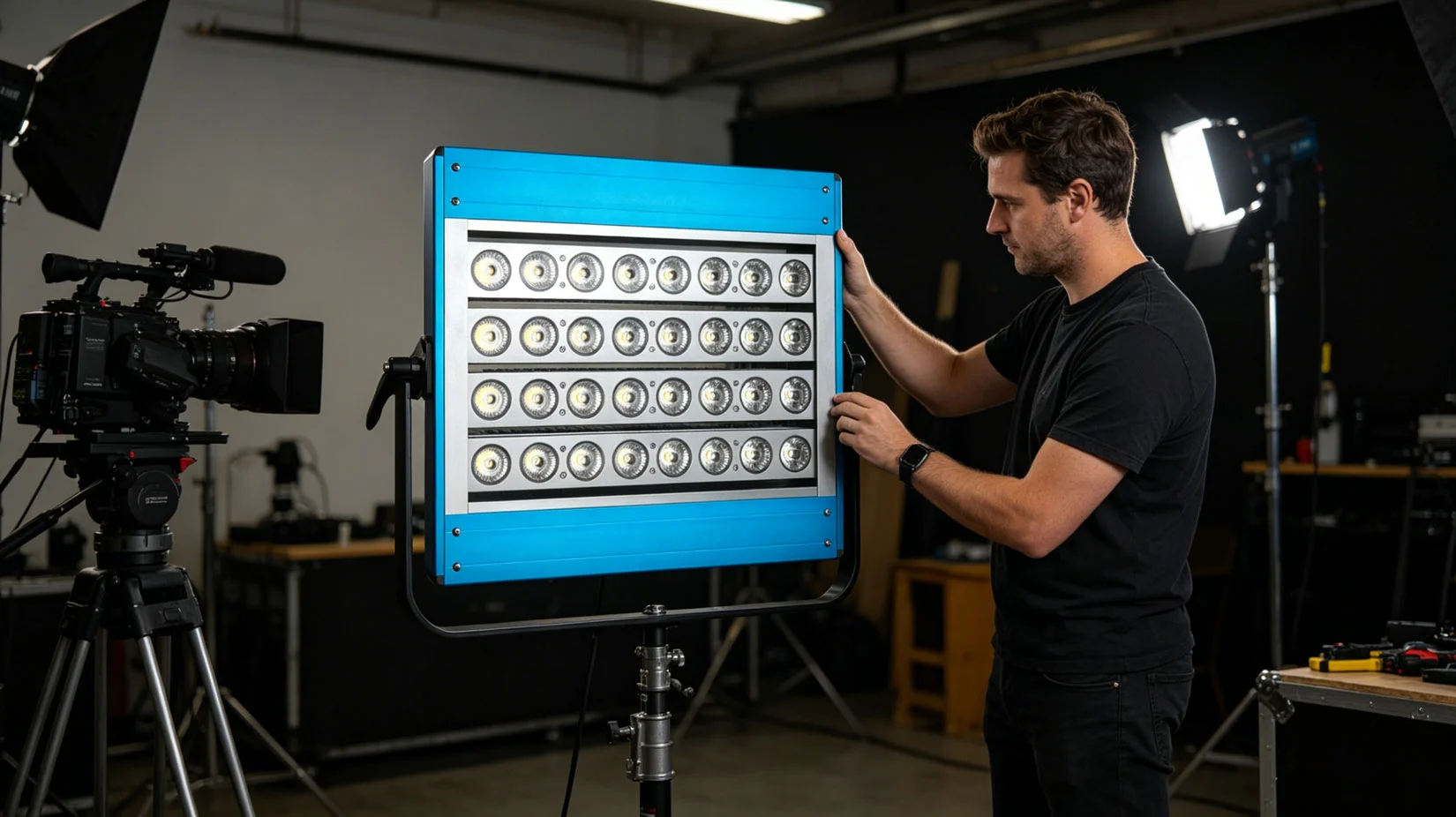
Best Lights for Filming: How to Choose Professional LED Film Lights

The best lights for filming depend on what you are shooting, how much output you need at the subject, how accurately colors must appear on camera, how much control you need over color temperature and dimming, and whether the light stays stable at your intended frame rate and shutter settings. For professional film, commercial advertising, television production and studio work, wattage alone tells you very little about how useful a fixture will be on set. A good filming light should provide accurate color, stable flicker-free output, smooth brightness control, a suitable color-temperature range, enough usable output for the working distance,…

Read More »
Best Lighting Design for Football Field

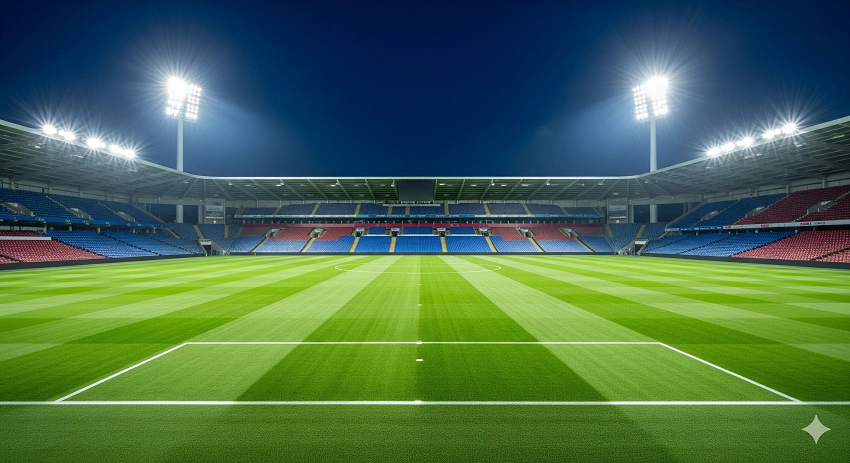
Best Lighting Design for Football Field

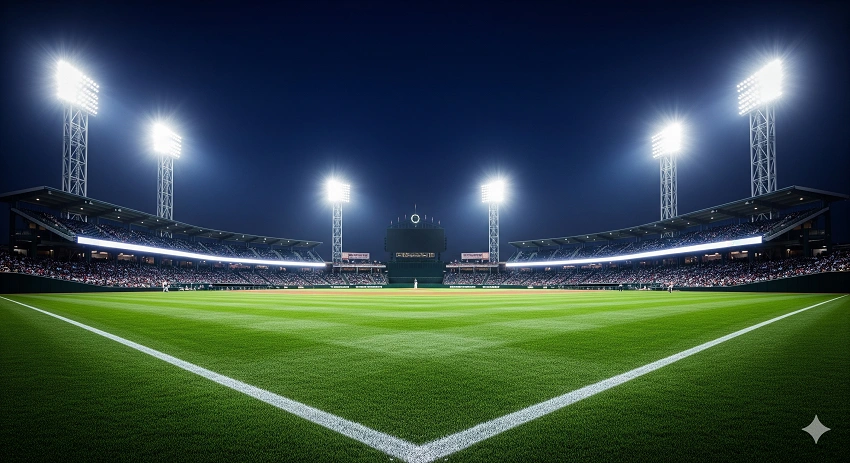
The Importance of Professional Lighting Design for Football Fields A football field is not just a patch of grass; it is a stage for athletic performance, community pride, and, increasingly, high-definition television broadcasts. The lighting that illuminates this stage is far more than a set of bright lamps. It is a carefully engineered system designed to meet specific, rigorous standards that vary depending on the level of play. A poorly designed lighting system can lead to player injuries from unseen obstacles or misjudged balls, create a subpar experience for spectators, and fail to meet the stringent requirements of broadcasters, rendering…

Read More »
Indoor basketball court lighting

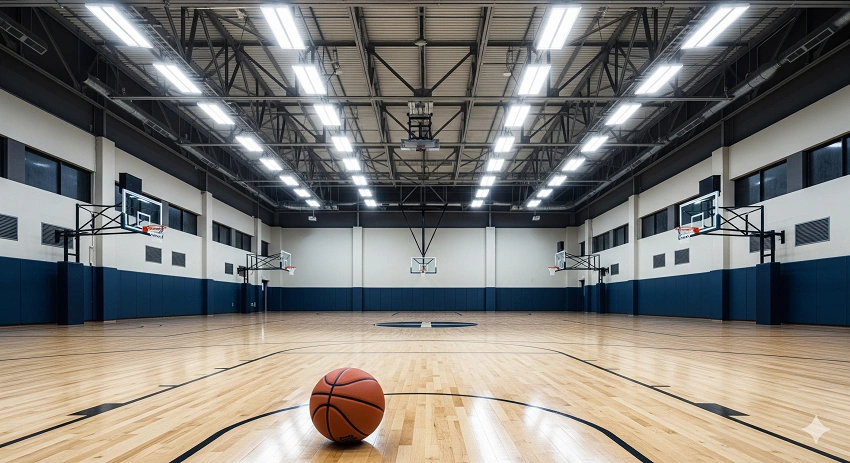
Indoor basketball court lighting

Why Indoor Basketball Court Lighting Is Fundamentally Different The differences between lighting an indoor basketball court and an outdoor one are not merely superficial; they are fundamental to the design and installation process. The most obvious distinction is the absence of light poles. Indoor courts, by their nature, are enclosed spaces, and the lighting fixtures are almost always mounted directly onto the ceiling structure. This eliminates the need to consider pole placement, height, and foundation work, shifting the focus entirely to the configuration, distribution, and performance of the fixtures themselves. Indoor courts are used in a wide variety of settings,…

Read More »
The Cost For Baseball Field Lighting

The Cost For Baseball Field Lighting

Understanding the True Cost of Baseball Field Lighting When planning a new baseball field or considering an upgrade to an existing one, one of the first and most critical questions is always about cost. However, the answer is rarely a simple single number. The “cost” of baseball field lighting is a multi-layered concept that encompasses far more than just the price tag on the light fixtures themselves. To make a sound, financially responsible decision, one must consider the initial purchase price, the cost of installation, the ongoing operational expenses (primarily electricity), and the long-term maintenance and replacement costs. A cheap…

Read More »
GS and VDE certification

GS and VDE certification

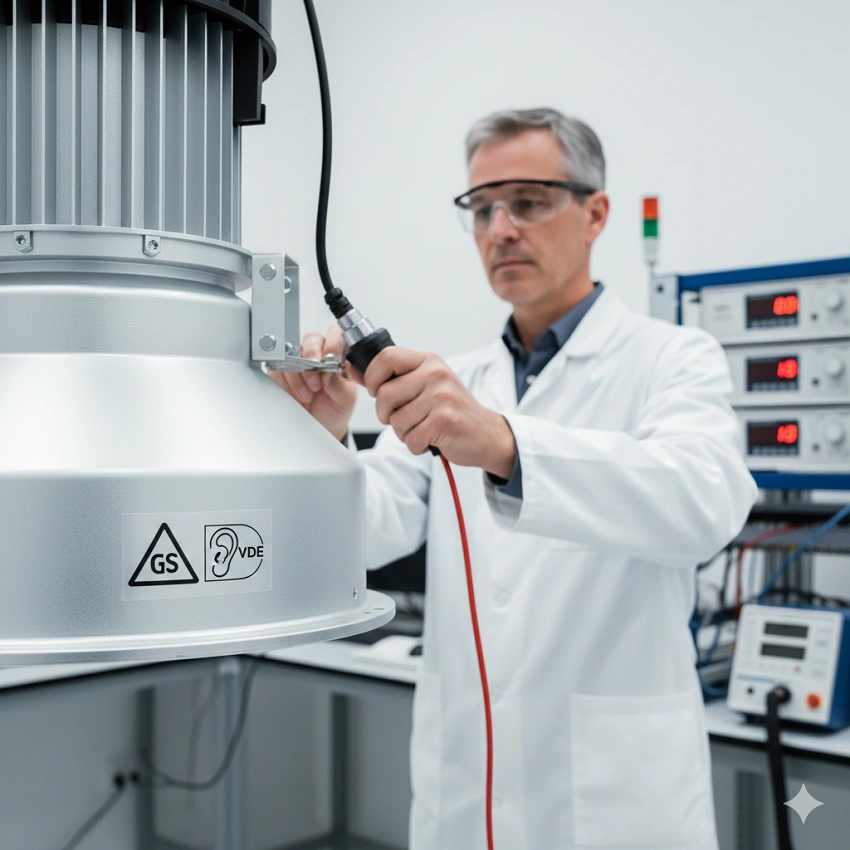
Why German Safety Certifications Matter in the Global Market For any manufacturer looking to export electrical products to Europe, and particularly to Germany, understanding the landscape of safety certifications is not just important—it is essential for market access and consumer trust. Germany has a long-standing reputation for rigorous quality and safety standards, and its certification marks carry significant weight far beyond its borders. Two of the most prominent and respected marks are the GS mark and the VDE mark. While they are often mentioned together and both originate from Germany, they are distinct certifications with different meanings, scopes, and regulatory…

Read More »
Five monochromatic lights that affect plant growth

Five monochromatic lights that affect plant growth

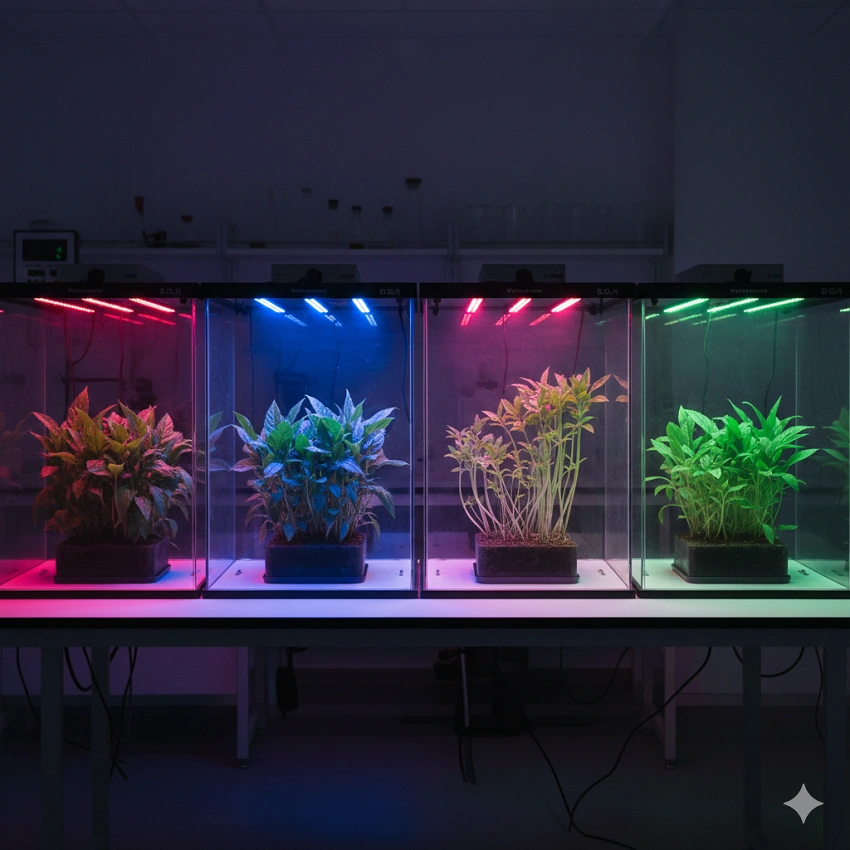
Understanding the Critical Role of Light Quality in Plant Development Light is far more than just an energy source for plants. It is a complex and nuanced environmental signal that governs virtually every stage of a plant’s life, from seed germination to flowering and fruiting. While the quantity of light—its intensity or photon flux density (PFD)—is crucial for driving photosynthesis, the quality of light—its spectral composition or wavelength—is equally important as a regulator of plant growth and development. Plants have evolved sophisticated photoreceptor systems that allow them to sense subtle changes in the light environment, including its color, direction, and…

Read More »