Blogs Page 2 OAK LED

OAK LED

Blogs

Ten reasons why LED drivers fail

Ten reasons why LED drivers fail

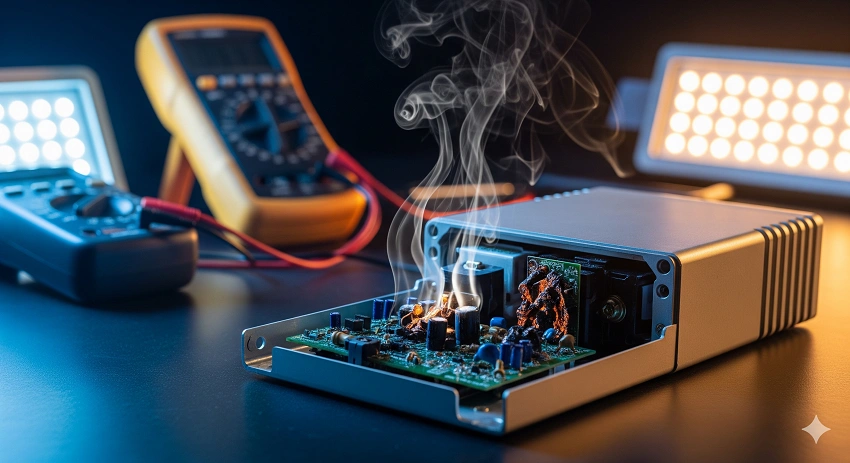
Why LED Driver Reliability Is the Heart of a Good Luminaire An LED light is only as good as its driver. While the LED chips themselves often get the glory for their long life and energy efficiency, it is the driver—a complex piece of power electronics—that makes them work. The primary function of an LED driver is to convert the incoming AC voltage from the mains into a regulated DC current source. Unlike a simple voltage source, a current source’s output voltage can vary to match the forward voltage drop (Vf) of the LED load, ensuring a constant, stable current…

Read More »
High-voltage Testing Standards For LED Luminaires

High-voltage Testing Standards For LED Luminaires

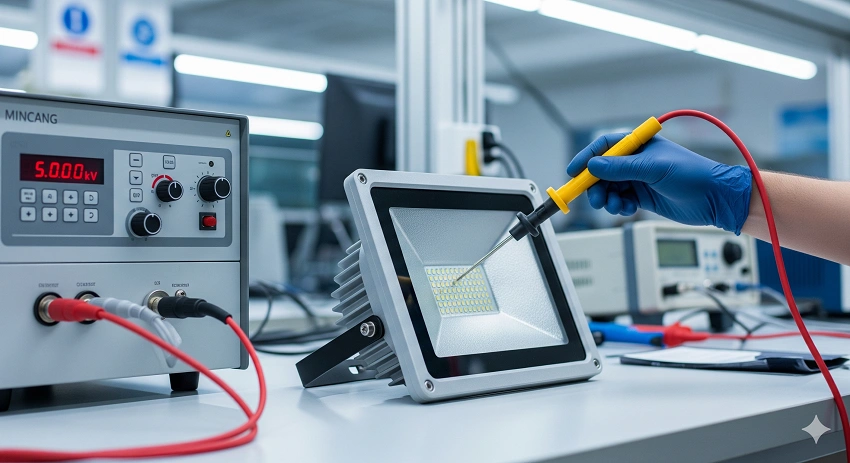
Why High-Voltage Testing Is Critical for LED Luminaire Safety Every LED luminaire that leaves a factory and is installed in a home, office, or stadium must meet rigorous safety standards. Among the most important of these is the high-voltage test, often referred to as a dielectric strength test or hipot test. This test is not about checking if the light works, but rather ensuring that it will not become a deadly hazard under fault conditions. The fundamental principle is to verify that the insulation between the live electrical parts and any accessible conductive parts (like the metal housing) is sufficient…

Read More »
Football lighting request and installation plan

Football lighting request and installation plan

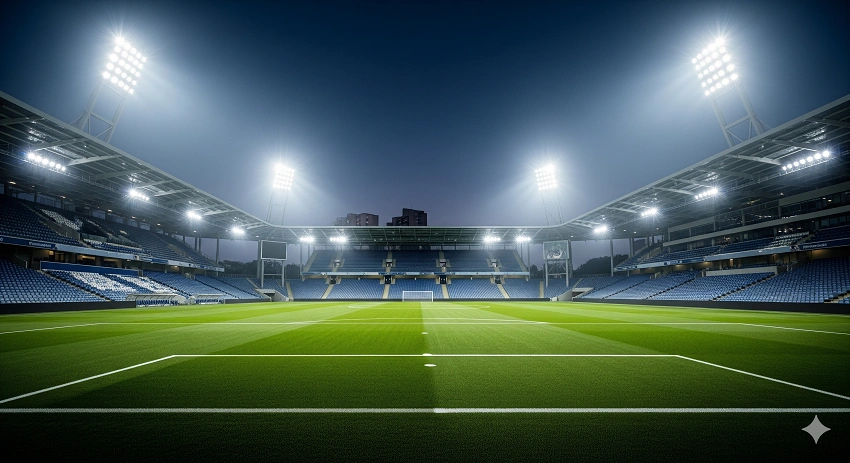
Understanding the Unique Lighting Challenges of a Football Field Lighting a football field is one of the most complex and demanding tasks in sports lighting design. Unlike an indoor arena with a low ceiling, a football field is a vast outdoor (or large indoor) space where players, officials, and a small ball must be visible from all angles, often for high-definition television broadcast. The challenge is not simply to make the field bright, but to do so uniformly, without glare, and in a way that meets the specific visual needs of players at every position. A poorly lit field can…

Read More »
Electrolytic Capacitors is the Main Reason for the Short Life of LED Lamps

Electrolytic Capacitors is the Main Reason for the Short Life of LED Lamps

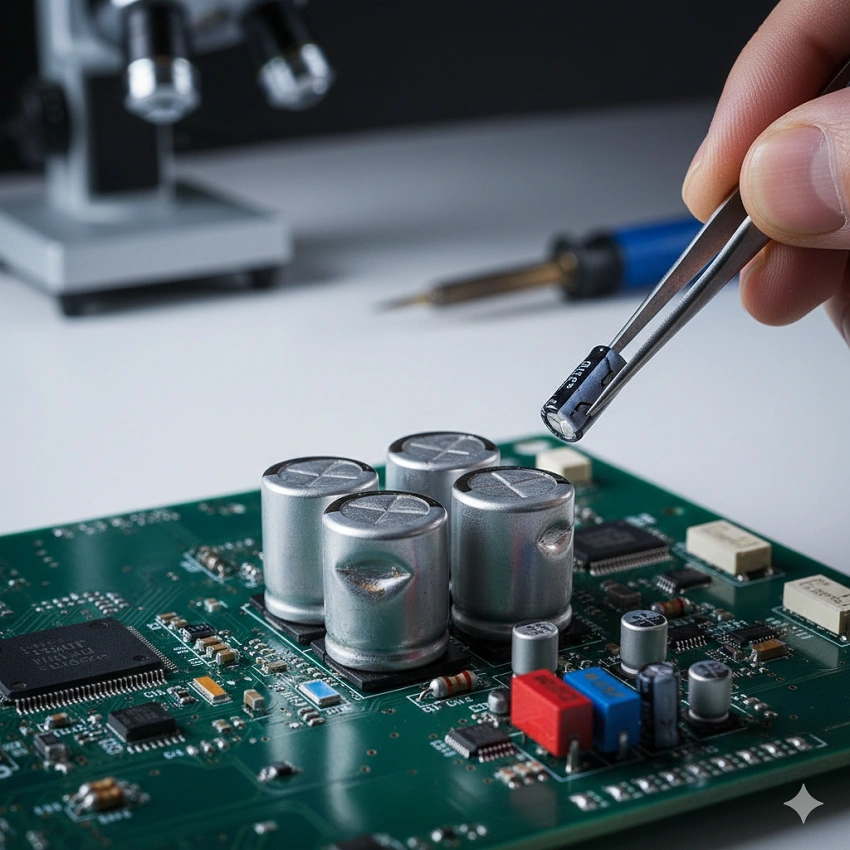
Why Do LED Lamps Sometimes Fail Long Before Their Rated Life? LED chips themselves are remarkable for their longevity, with many rated to last 50,000 hours or more. Yet, anyone who has dealt with LED lighting knows that lamps and fixtures can and do fail well before this theoretical limit. This paradox often leads to frustration, as the promise of a “lifetime” light source clashes with the reality of a dead bulb after just a few years. The culprit, in the vast majority of cases, is not the LED chips themselves, but the electronic driver that powers them. And within…

Read More »
Four LED Brightness Calculation Methods

Four LED Brightness Calculation Methods

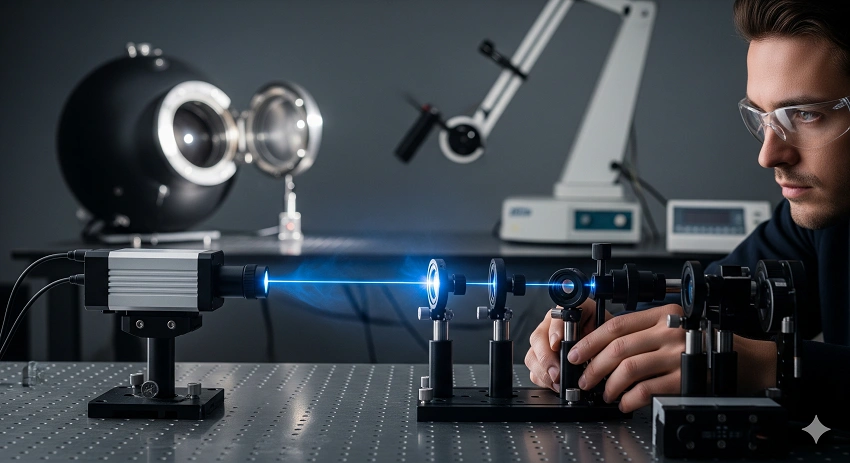
Understanding the Four Pillars of LED Brightness Measurement When we talk about how “bright” an LED light is, we are often using a casual term that can mean different things in different contexts. Is it the total amount of light pouring out of the bulb? Is it the intensity of the beam focused on a specific spot? Or is it the level of illumination on your desk or on a football field? For lighting designers, engineers, and specifiers, these distinctions are not casual; they are fundamental. To accurately describe, compare, and apply LED lighting, we rely on four distinct, yet…

Read More »
Differences between High Pressure Sodium Lamps and LED Lighting

Differences between High Pressure Sodium Lamps and LED Lighting

Why Greenhouse Lighting Matters for Modern Agriculture The global demand for food production is rising steadily, and controlled environment agriculture, particularly greenhouses, plays an increasingly vital role in meeting this challenge. Greenhouses offer the ability to extend growing seasons, protect crops from adverse weather, and optimize conditions for yield and quality. However, a critical factor often limits their productivity: light. The relatively closed production system of a greenhouse, by its very nature, reduces the amount of natural sunlight reaching the plants. This reduction is caused by several factors, including the orientation and structural components of the greenhouse, and the light…

Read More »
LED Street Lights VS High-Pressure Sodium Lights

LED Street Lights vs High-Pressure Sodium Lights

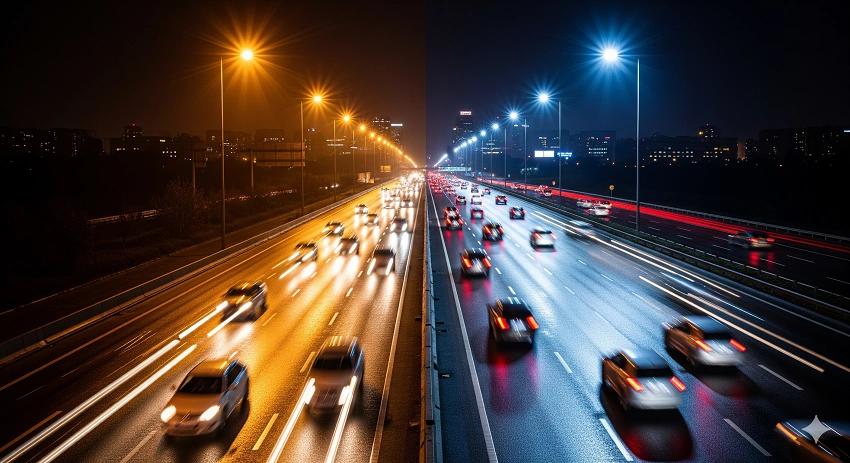
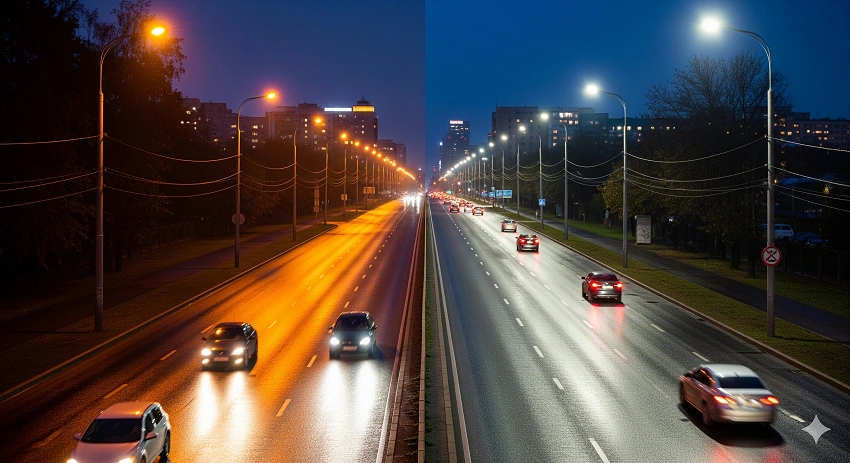
Understanding the Shift in Urban Road Lighting Technology The familiar amber glow that has illuminated city streets for decades is slowly but surely being replaced by a crisp, white light. This transformation represents one of the most significant infrastructure upgrades in modern urban history, driven by the global imperative for energy conservation and emission reduction. As economies expand and urban populations swell, the demand for energy has placed immense pressure on resources and the environment. Street lighting, often a municipality’s single largest electricity expense—accounting for up to 40% of a city’s electric bill—has become a primary target for efficiency improvements….

Read More »
LED PWM dimming

LED PWM dimming

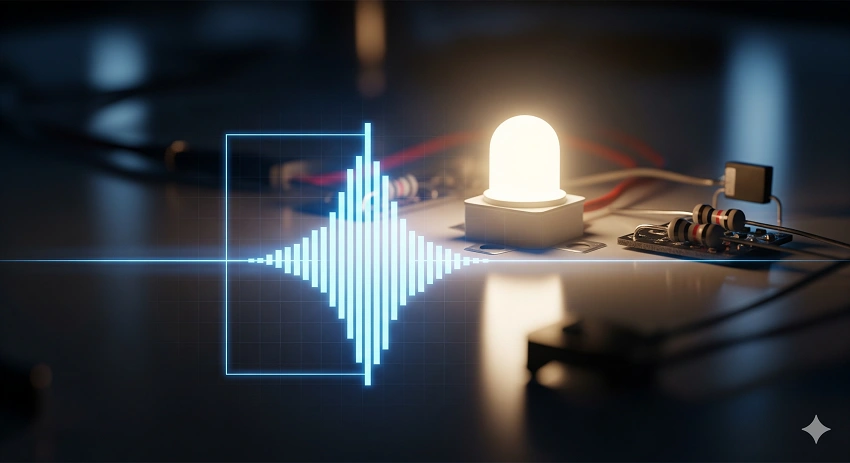
What Is LED PWM Dimming and Why Is It So Widely Used? PWM dimming, short for Pulse Width Modulation dimming, has become a dominant and mainstream technology in the world of LED lighting, particularly in LED driver and power supply products. At its core, it is a method of controlling the brightness of an LED by rapidly switching the light on and off. Unlike traditional analog dimming, which reduces brightness by continuously lowering the current flowing through the LED, PWM dimming uses a digital signal to achieve the same effect. This fundamental difference gives PWM several significant advantages, which is…

Read More »
1000W Metal Halide Lamp VS 500W LED Flood Light

1000W Metal Halide Lamp VS 500W LED Flood Light

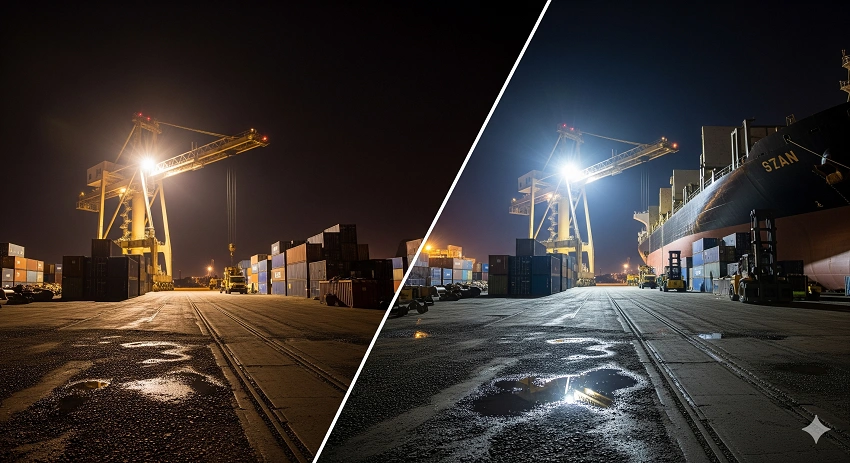
Understanding the Shift from Metal Halide to LED in High-Power Lighting For decades, the 1000-watt metal halide lamp has been a workhorse in the world of high-intensity lighting. These powerful lamps have illuminated our largest spaces: sports stadiums, industrial warehouses, construction sites, airport hangars, and parking lots. Their ability to produce a high volume of light from a single, relatively compact source made them the go-to choice for applications where flooding an area with light was the primary goal. However, the lighting landscape has been fundamentally transformed by the advent of high-power LED technology. Today, a 500-watt LED flood light…

Read More »
How To Choose LED Basketball Court Flood Lights

How to Choose LED Basketball Court Flood Lights

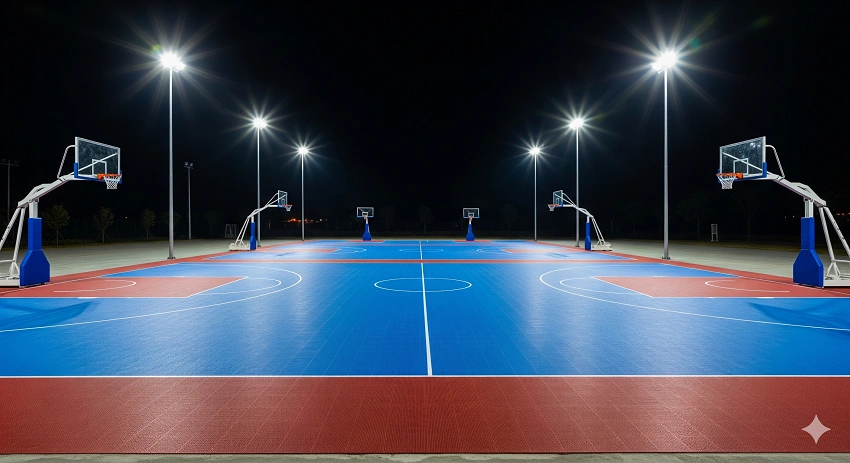
Understanding the Unique Lighting Needs of a Basketball Court Basketball is a fast-paced, dynamic sport played on a defined rectangular court. The action is continuous, with players constantly moving, jumping, and tracking a relatively small orange ball as it’s passed, dribbled, and shot towards hoops positioned ten feet in the air. This unique combination of a defined playing area, fast vertical and horizontal movement, and the need to track a fast-moving object against various backgrounds creates a specific set of lighting requirements. The right lighting does more than just make the court bright; it ensures player safety, allows for optimal…

Read More »
Safety requirements for warehouse lighting

Safety requirements for warehouse lighting

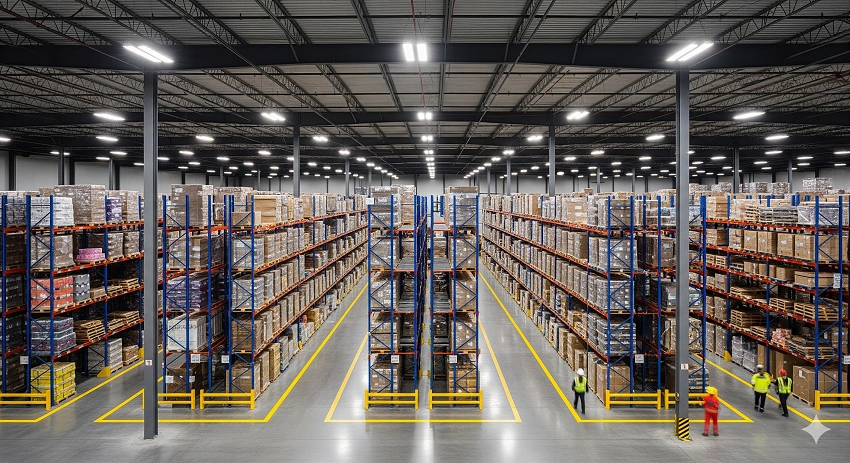
What Makes Warehouse Lighting Different from General Lighting? Warehouses are unique environments that present a distinct set of challenges and hazards not found in typical office or residential settings. They are spaces characterized by high ceilings, narrow aisles, extensive storage racks, and the constant movement of personnel and heavy machinery like forklifts. The lighting in such an environment is not merely for convenience; it is a critical safety system. Poor lighting can lead to serious accidents, including collisions between forklifts and pedestrians, misidentification of goods, falls from heights, and errors in inventory management. Furthermore, warehouses often store large quantities of…

Read More »
The Best LED Stadium Lights For Table Tennis

The Best LED Stadium Lights for Table Tennis

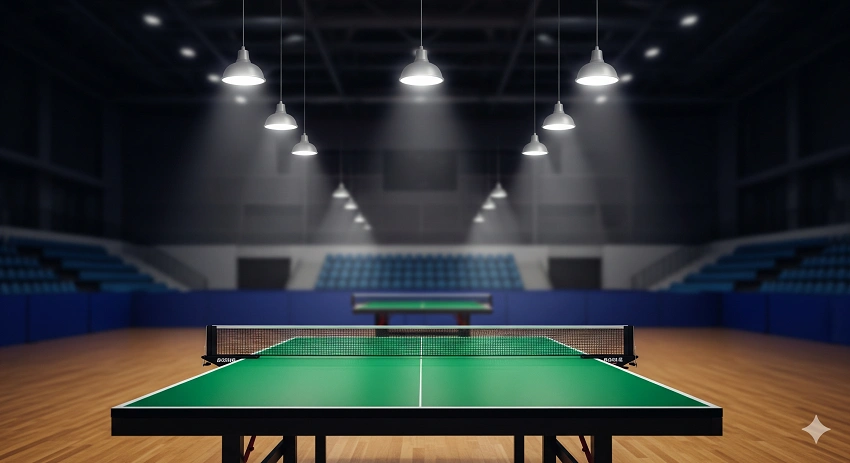
The Unique Lighting Demands of Table Tennis Table tennis, often called ping pong, is a sport of incredible speed, precision, and reflexes. Unlike many other sports played on a large field, the entire action in table tennis is concentrated on a small 2.74m x 1.525m table. The ball, a lightweight sphere just 40mm in diameter, can travel at speeds exceeding 100 km/h. This unique combination of a small, fast-moving object and a confined playing area creates a set of lighting demands that are distinct from almost any other sport. For players to perform at their best, and for spectators to…

Read More »