Blog

Best Lighting Design for Football Field

Best Lighting Design for Football Field

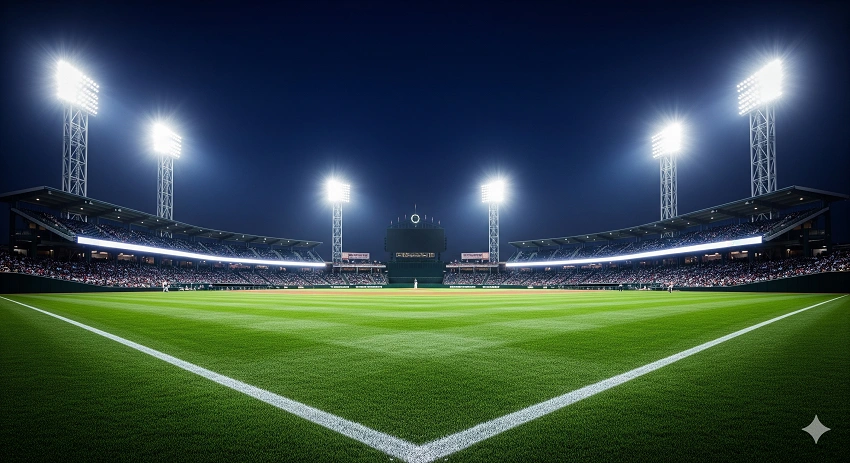
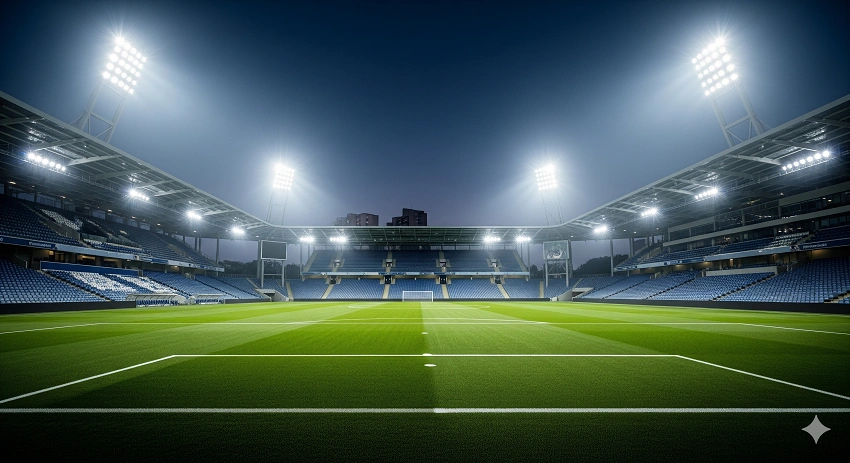
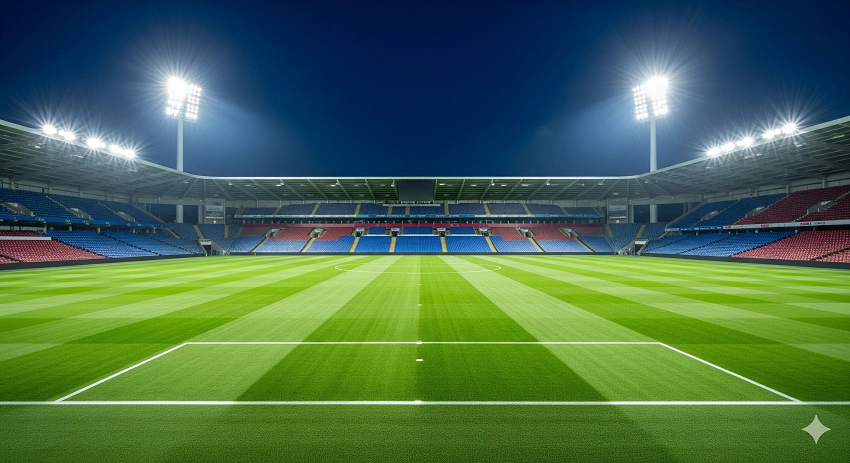
The Importance of Professional Lighting Design for Football Fields A football field is not just a patch of grass; it is a stage for athletic performance, community pride, and, increasingly, high-definition television broadcasts. The lighting that illuminates this stage is far more than a set of bright lamps. It is a carefully engineered system designed to meet specific, rigorous standards that vary depending on the level of play. A poorly designed lighting system can lead to player injuries from unseen obstacles or misjudged balls, create a subpar experience for spectators, and fail to meet the stringent requirements of broadcasters, rendering…

Read More »
Indoor basketball court lighting

Indoor basketball court lighting

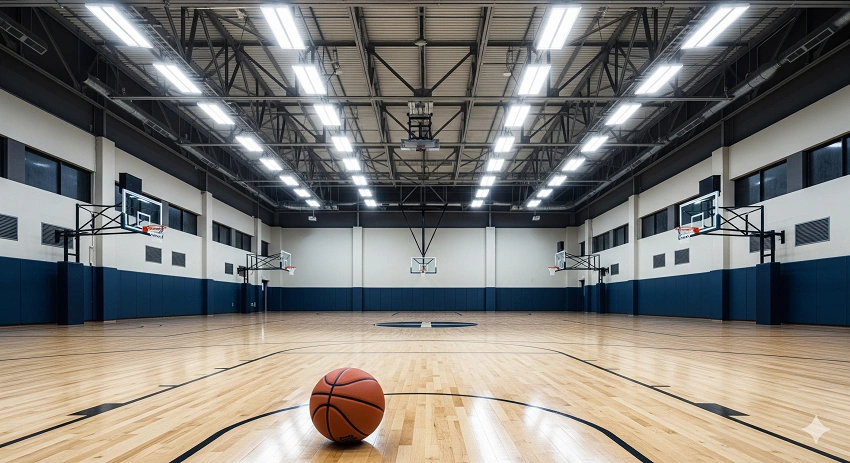
Why Indoor Basketball Court Lighting Is Fundamentally Different The differences between lighting an indoor basketball court and an outdoor one are not merely superficial; they are fundamental to the design and installation process. The most obvious distinction is the absence of light poles. Indoor courts, by their nature, are enclosed spaces, and the lighting fixtures are almost always mounted directly onto the ceiling structure. This eliminates the need to consider pole placement, height, and foundation work, shifting the focus entirely to the configuration, distribution, and performance of the fixtures themselves. Indoor courts are used in a wide variety of settings,…

Read More »
The Cost For Baseball Field Lighting

The Cost For Baseball Field Lighting

Understanding the True Cost of Baseball Field Lighting When planning a new baseball field or considering an upgrade to an existing one, one of the first and most critical questions is always about cost. However, the answer is rarely a simple single number. The “cost” of baseball field lighting is a multi-layered concept that encompasses far more than just the price tag on the light fixtures themselves. To make a sound, financially responsible decision, one must consider the initial purchase price, the cost of installation, the ongoing operational expenses (primarily electricity), and the long-term maintenance and replacement costs. A cheap…

Read More »
GS and VDE certification

GS and VDE certification

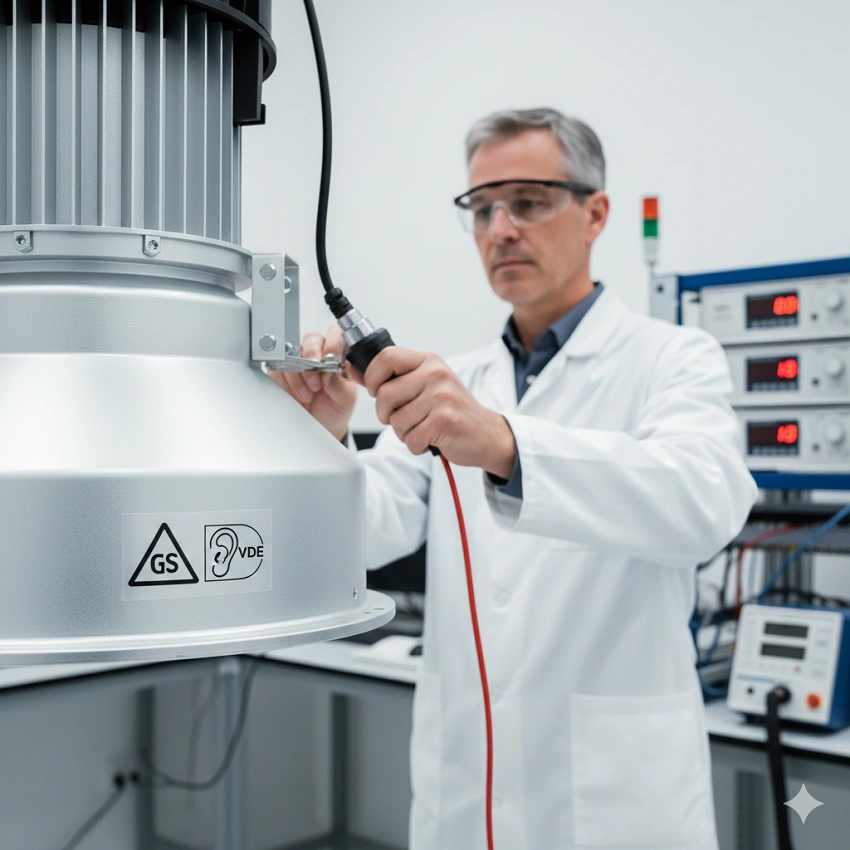
Why German Safety Certifications Matter in the Global Market For any manufacturer looking to export electrical products to Europe, and particularly to Germany, understanding the landscape of safety certifications is not just important—it is essential for market access and consumer trust. Germany has a long-standing reputation for rigorous quality and safety standards, and its certification marks carry significant weight far beyond its borders. Two of the most prominent and respected marks are the GS mark and the VDE mark. While they are often mentioned together and both originate from Germany, they are distinct certifications with different meanings, scopes, and regulatory…

Read More »
Five monochromatic lights that affect plant growth

Five monochromatic lights that affect plant growth

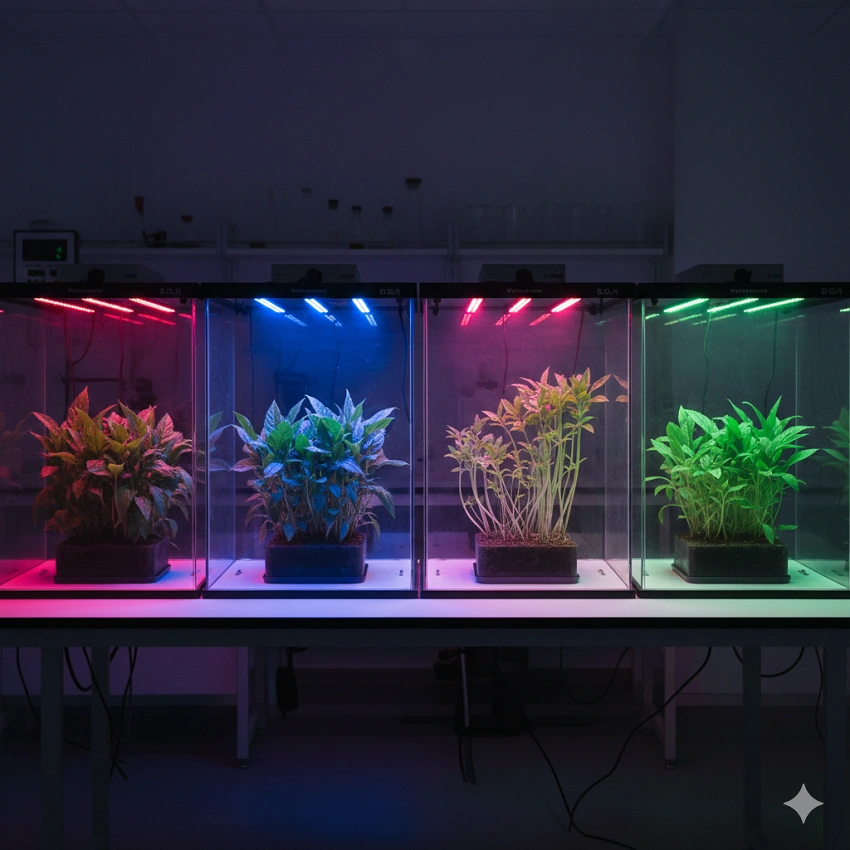
Understanding the Critical Role of Light Quality in Plant Development Light is far more than just an energy source for plants. It is a complex and nuanced environmental signal that governs virtually every stage of a plant’s life, from seed germination to flowering and fruiting. While the quantity of light—its intensity or photon flux density (PFD)—is crucial for driving photosynthesis, the quality of light—its spectral composition or wavelength—is equally important as a regulator of plant growth and development. Plants have evolved sophisticated photoreceptor systems that allow them to sense subtle changes in the light environment, including its color, direction, and…

Read More »
Ten reasons why LED drivers fail

Ten reasons why LED drivers fail

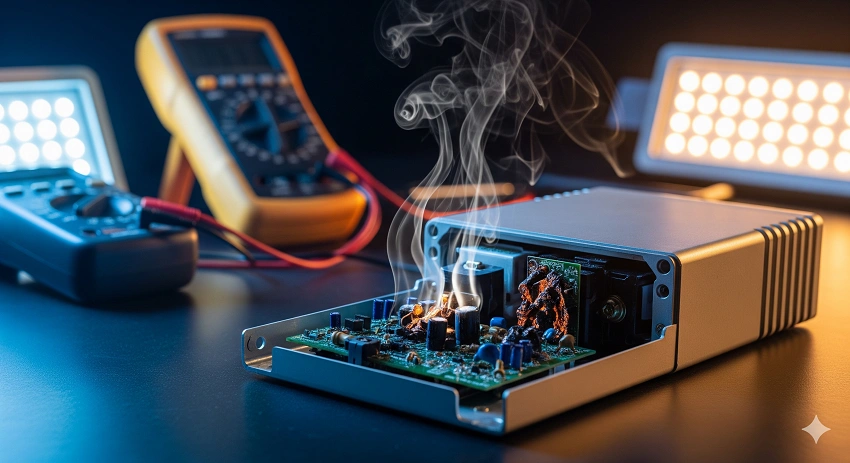
Why LED Driver Reliability Is the Heart of a Good Luminaire An LED light is only as good as its driver. While the LED chips themselves often get the glory for their long life and energy efficiency, it is the driver—a complex piece of power electronics—that makes them work. The primary function of an LED driver is to convert the incoming AC voltage from the mains into a regulated DC current source. Unlike a simple voltage source, a current source’s output voltage can vary to match the forward voltage drop (Vf) of the LED load, ensuring a constant, stable current…

Read More »
High-voltage Testing Standards For LED Luminaires

High-voltage Testing Standards For LED Luminaires

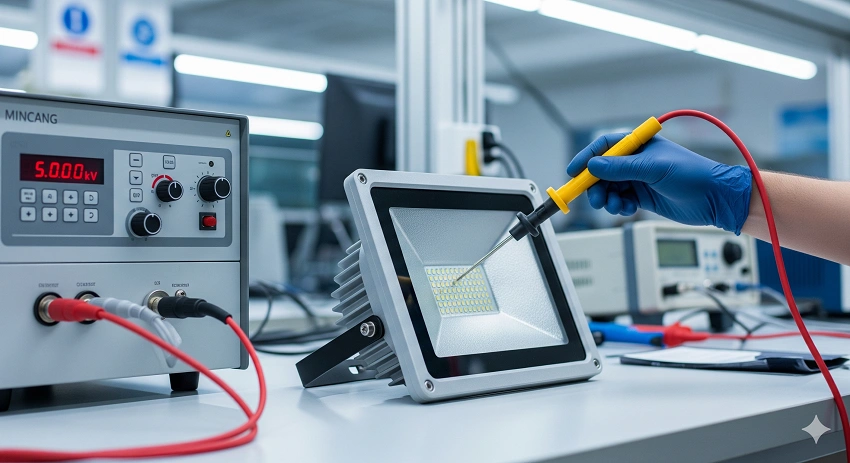
Why High-Voltage Testing Is Critical for LED Luminaire Safety Every LED luminaire that leaves a factory and is installed in a home, office, or stadium must meet rigorous safety standards. Among the most important of these is the high-voltage test, often referred to as a dielectric strength test or hipot test. This test is not about checking if the light works, but rather ensuring that it will not become a deadly hazard under fault conditions. The fundamental principle is to verify that the insulation between the live electrical parts and any accessible conductive parts (like the metal housing) is sufficient…

Read More »
Football lighting request and installation plan

Football lighting request and installation plan

Understanding the Unique Lighting Challenges of a Football Field Lighting a football field is one of the most complex and demanding tasks in sports lighting design. Unlike an indoor arena with a low ceiling, a football field is a vast outdoor (or large indoor) space where players, officials, and a small ball must be visible from all angles, often for high-definition television broadcast. The challenge is not simply to make the field bright, but to do so uniformly, without glare, and in a way that meets the specific visual needs of players at every position. A poorly lit field can…

Read More »
Electrolytic Capacitors is the Main Reason for the Short Life of LED Lamps

Electrolytic Capacitors is the Main Reason for the Short Life of LED Lamps

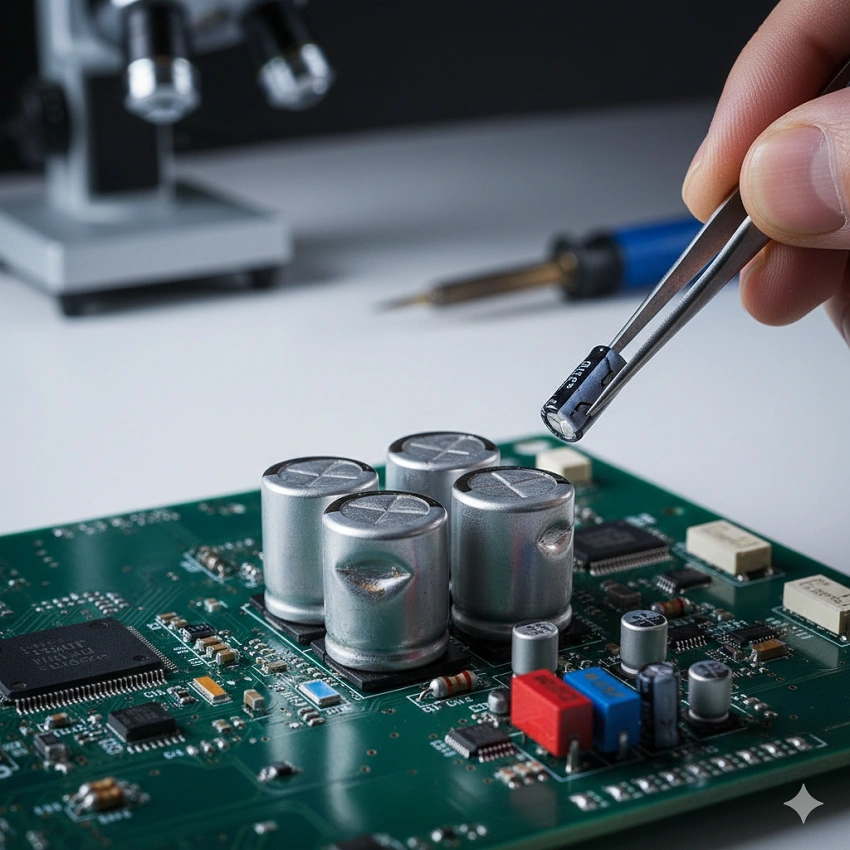
Why Do LED Lamps Sometimes Fail Long Before Their Rated Life? LED chips themselves are remarkable for their longevity, with many rated to last 50,000 hours or more. Yet, anyone who has dealt with LED lighting knows that lamps and fixtures can and do fail well before this theoretical limit. This paradox often leads to frustration, as the promise of a “lifetime” light source clashes with the reality of a dead bulb after just a few years. The culprit, in the vast majority of cases, is not the LED chips themselves, but the electronic driver that powers them. And within…

Read More »
Four LED Brightness Calculation Methods

Four LED Brightness Calculation Methods

Understanding the Four Pillars of LED Brightness Measurement When we talk about how “bright” an LED light is, we are often using a casual term that can mean different things in different contexts. Is it the total amount of light pouring out of the bulb? Is it the intensity of the beam focused on a specific spot? Or is it the level of illumination on your desk or on a football field? For lighting designers, engineers, and specifiers, these distinctions are not casual; they are fundamental. To accurately describe, compare, and apply LED lighting, we rely on four distinct, yet…

Read More »
Differences between High Pressure Sodium Lamps and LED Lighting

Differences between High Pressure Sodium Lamps and LED Lighting

Why Greenhouse Lighting Matters for Modern Agriculture The global demand for food production is rising steadily, and controlled environment agriculture, particularly greenhouses, plays an increasingly vital role in meeting this challenge. Greenhouses offer the ability to extend growing seasons, protect crops from adverse weather, and optimize conditions for yield and quality. However, a critical factor often limits their productivity: light. The relatively closed production system of a greenhouse, by its very nature, reduces the amount of natural sunlight reaching the plants. This reduction is caused by several factors, including the orientation and structural components of the greenhouse, and the light…

Read More »
LED Street Lights VS High-Pressure Sodium Lights

LED Street Lights vs High-Pressure Sodium Lights

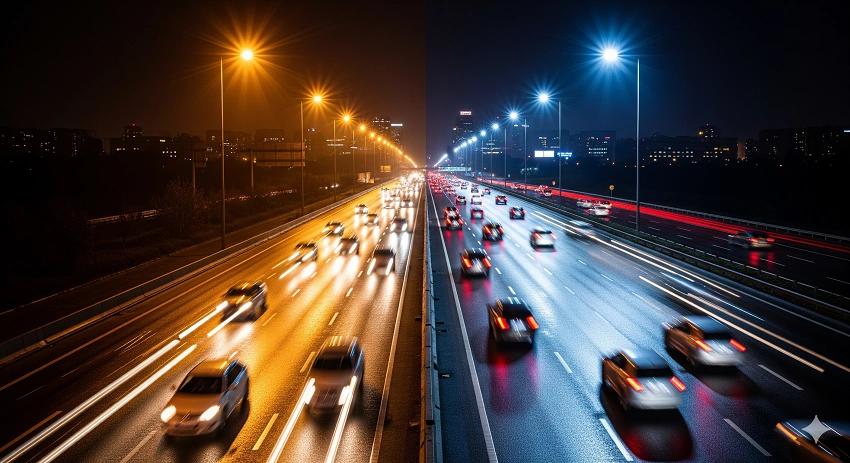
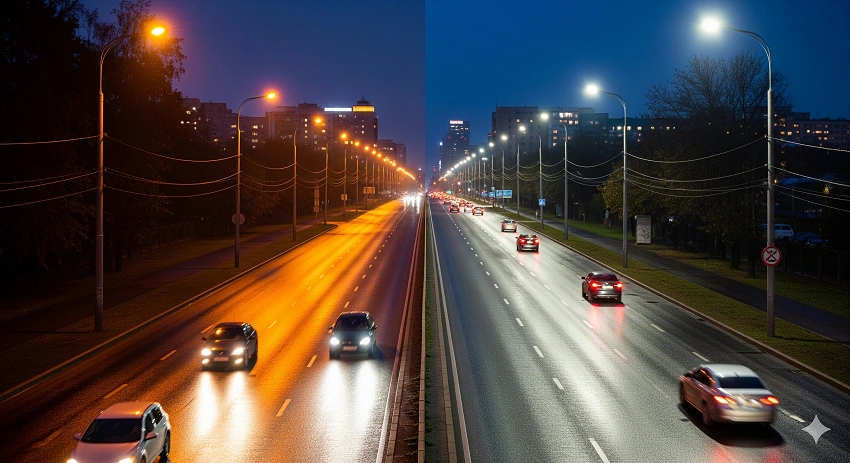
Understanding the Shift in Urban Road Lighting Technology The familiar amber glow that has illuminated city streets for decades is slowly but surely being replaced by a crisp, white light. This transformation represents one of the most significant infrastructure upgrades in modern urban history, driven by the global imperative for energy conservation and emission reduction. As economies expand and urban populations swell, the demand for energy has placed immense pressure on resources and the environment. Street lighting, often a municipality’s single largest electricity expense—accounting for up to 40% of a city’s electric bill—has become a primary target for efficiency improvements….

Read More »