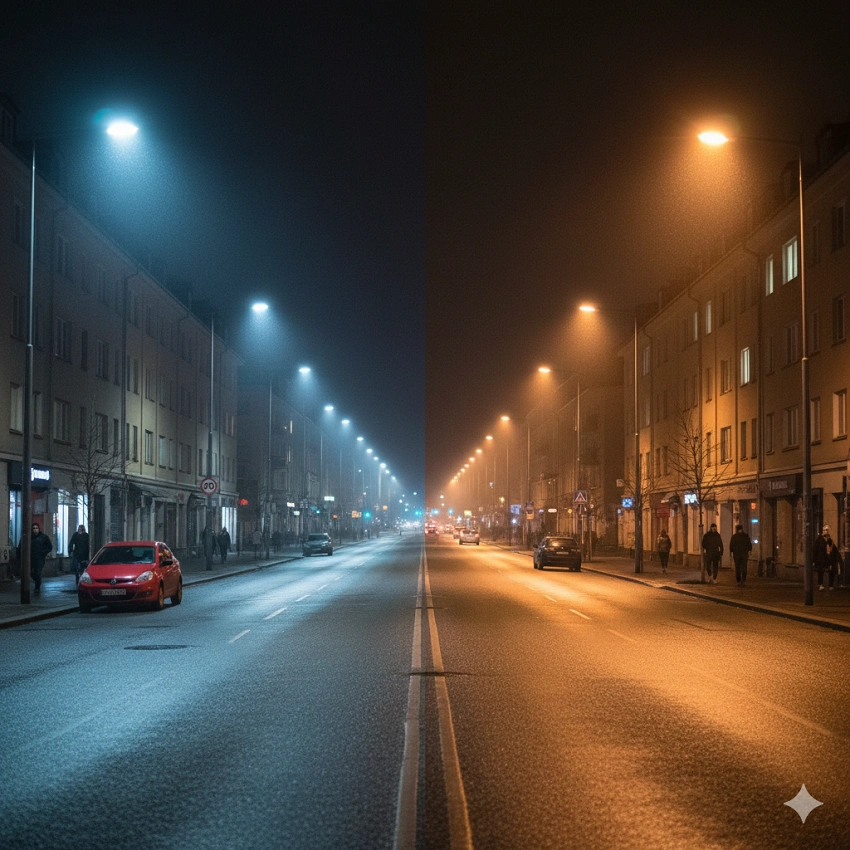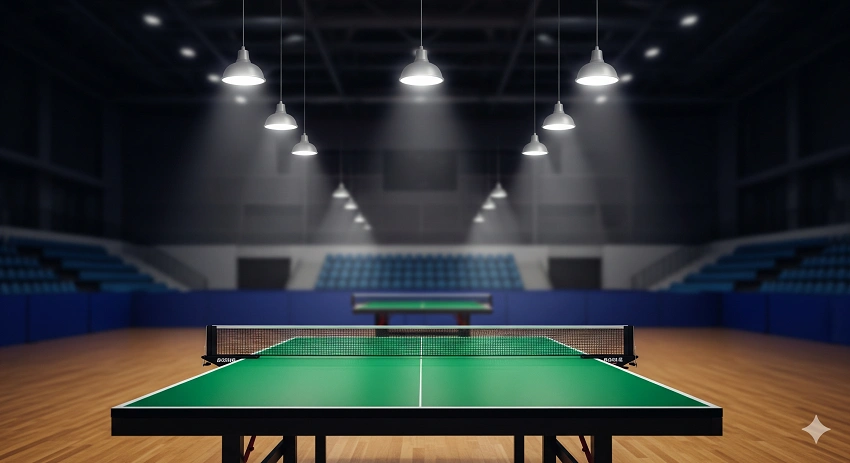
Picking out the right Led Wall Pack Lights isn’t just about shop shopping — it’s pretty important when it comes to boosting security and making sure your outdoor spaces are well lit. These lights are built to last and can really brighten up pathways, parking areas, and the outsides of your buildings. But with so many options out there, it can feel a bit overwhelming to figure out what’s best for you.
You should think about stuff like how bright they are, how much energy they consume, and how they look.. Some models just don’t pack enough punch for bigger areas, leaving dark corners that can be a bit sketchy. So, it’s a good idea to really look at what you need for your spot. Also, don’t forget to consider how tricky the installation might be — some lights can be a pain to put up.
And hey, don’t just go for the cheapest option without thinking long-term. Cheaper lights might save you a few bucks upfront, but they could end up costing more down the road when you have to replace them more often. Brands like Lithonia Lighting and Cree tend to be pretty reliable and balance quality with efficiency nicely. Ultimately, it’s about weighing your options — sometimes the obvious choice isn’t the best one. Take your time, and you’ll find the right fit for your space.
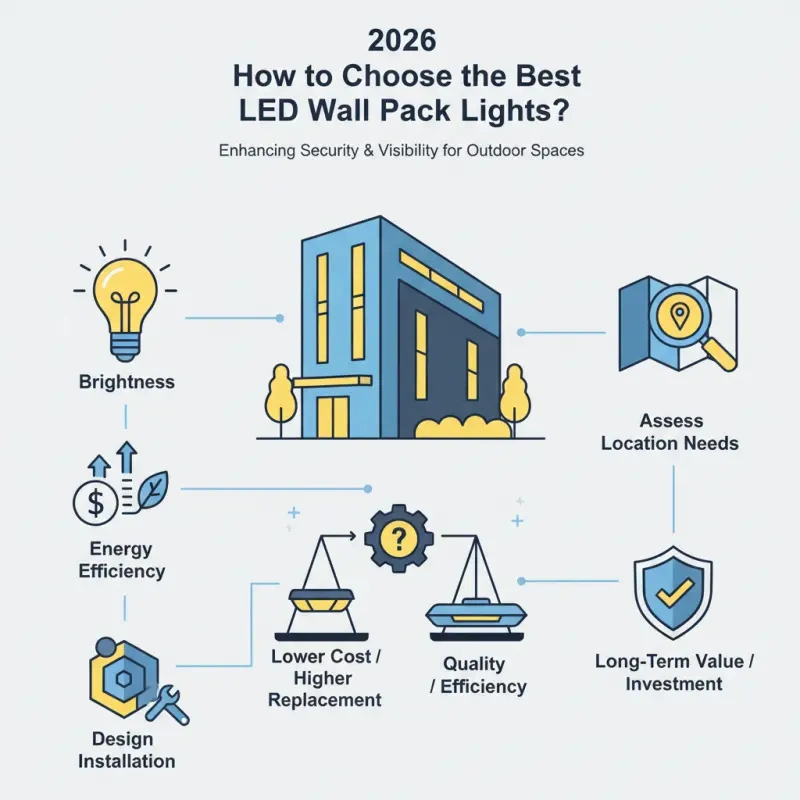
Understanding LED Wall Pack Lights: Key Features and Benefits
Led Wall Pack Lights have become essential for many outdoor spaces. They provide security and visibility, making them popular in commercial and residential areas. Understanding the key features can help you choose the right ones for your needs.
One vital feature is the lumen output. Brightness is crucial for safety. High lumen levels illuminate larger areas effectively. Look for Wall Pack Led Lights that offer adjustable brightness settings. This allows you to customize the lighting to your specific environment. Additionally, consider energy efficiency. Choosing lights with longer lifespans can save costs over time.
Tips for selection:
– Check the IP rating for water and dust resistance.
– Ensure easy installation and maintenance to save time and effort.
– Explore different beam angles for varied lighting coverage.
Some users might overlook placement height. Installing lights too low or too high can affect effectiveness. You want the right amount of light that balances visibility and security. Investing in quality Wall Pack Led Lights pays off in the long run.
Evaluating Wattage and Lumens: Determining Optimal Brightness Levels
When evaluating wattage and lumens for LED wall pack lights, consider the brightness you need for your space. Watts measure energy usage, while lumens indicate the light output. A common misconception is that higher wattage always means better brightness. This isn’t true. You can find energy-efficient options that still provide ample illumination.
For commercial spaces, ideal lumens typically range from 3000 to 12,000. A well-lit parking lot, for example, might need anywhere from 4000 to 8000 lumens per fixture. This provides a safe environment. However, over-illumination can cause glare and discomfort. Finding the right balance is crucial.
Think about the layout of your area. It’s essential to distribute light evenly. Shadows can create unsafe spots. Choosing the right wattage involves more than just math; it’s about the experience. Test different levels of brightness and see what feels right. Remember, Commercial Led Wall Pack Lights are an investment in safety and efficiency. Ensure you make the right choice for your specific needs.
Comparing LED Technologies: COB vs. SMD for Lighting Efficiency
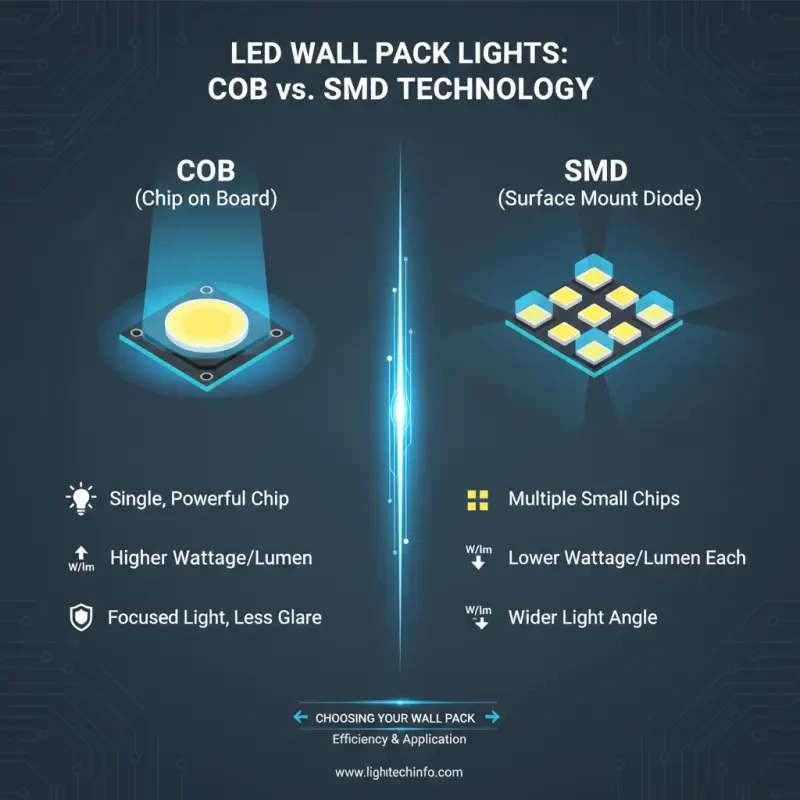
When choosing LED wall pack lights, understanding the technology behind them is crucial. The two main types are COB (Chip on Board) and SMD (Surface Mount Diode). Each has its own strengths and weaknesses in terms of efficiency and application.
COB lights offer high lumen output with fewer LEDs. This results in a more compact design and improved thermal management. According to recent data, COB technology can achieve up to 180 lumens per watt. This is impressive for larger commercial spaces needing bright illumination. However, they can be more expensive to replace if damaged.
On the other hand, SMD lights are more versatile. They provide even lighting and better color rendering. SMD lights typically reach 120-160 lumens per watt. This efficiency makes them suitable for various applications, from parking lots to entryways. They are generally easier to install, but people often overlook their long-term energy savings. It’s essential to consider your specific lighting needs carefully. While initial costs might be lower for SMD, the value could shift if COB delivers greater long-term savings. Balancing immediate requirements against future efficiency is key.
Assessing Color Temperature: Choosing the Right Hue for Your Space
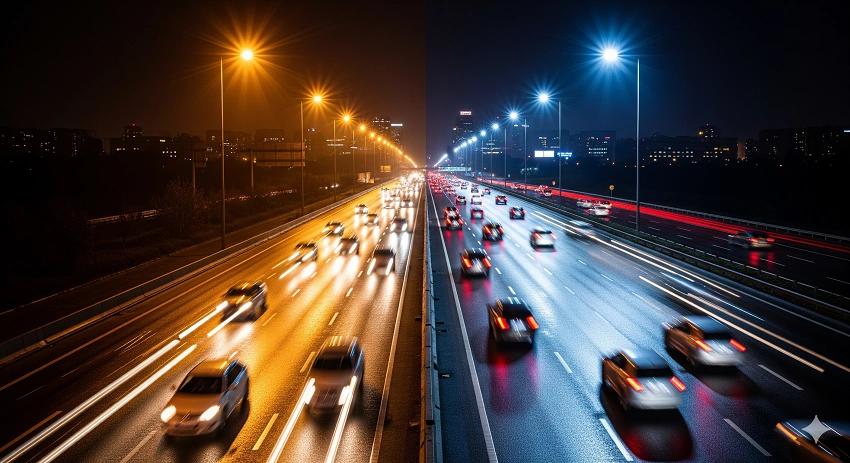
When choosing LED wall pack lights, color temperature plays a crucial role. The right hue can enhance safety and aesthetics. The measurement of color temperature is in Kelvin (K). A higher Kelvin indicates a cooler, bluer light. Conversely, a lower Kelvin represents a warmer, yellowish light. For outdoor spaces, experts often recommend a temperature between 4000K and 5000K for optimal visibility. Recent studies suggest that 5000K lighting can improve visibility in parking lots by up to 30%.
Tips: Always visualize how the color temperature interacts with your space. Warm tones can create a welcoming atmosphere, while cooler tones boost alertness.
Another consideration is the purpose of the lighting. If it’s for security, 4000K to 5000K lights are ideal. They offer a bright, crisp light that deters crime. However, for pathways, a 3000K temperature might work better, providing a softer glow that’s easier on the eyes at night.
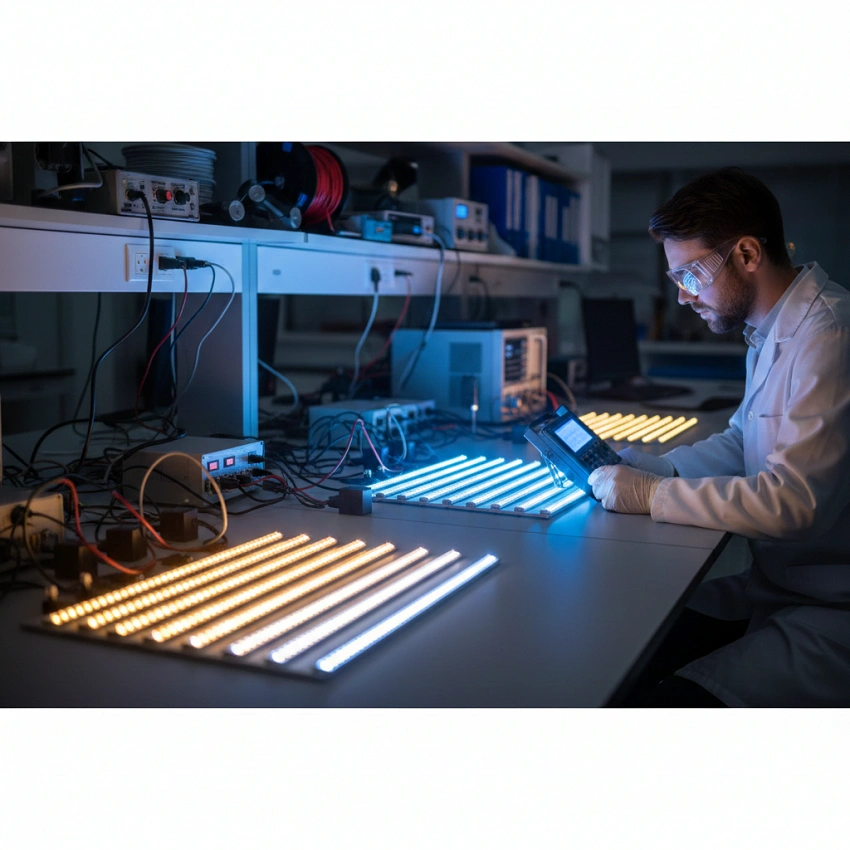
Tips: Test different temperatures before final installation. Observing the effect in real time can offer insights that charts can’t provide. Consider how color reflects the features of your surroundings. Finding the right hue may take time and adjustment.
Evaluating Energy Efficiency: Savings from LED vs. Traditional Lighting
When evaluating energy efficiency for lighting, LED wall pack lights stand out. They use significantly less energy than traditional lights. This drop in energy consumption equates to noticeable savings on utility bills. For instance, a typical LED wall pack light uses around 50 watts, while its traditional counterpart may consume over 200 watts. Imagine the savings over time.
However, there are intricacies to consider. Not every LED model is created equal. Some may have lower lumens per watt ratios, impacting their brightness and effectiveness. It’s crucial to assess the quality of the LED light. Durability should also be analyzed, as poor-quality lights may need replacement sooner than expected.
Another factor is the initial cost. LEDs can be pricier upfront. This leads some people to hesitate. Nonetheless, the long-term savings often outweigh the initial investment. It’s important to calculate return on investment (ROI) realistically. A cautious approach benefits decision-making, blending cost and efficiency.
Understanding IP Ratings: Ensuring Weatherproof and Durability Standards
When selecting Exterior Led Wall Pack Lights, understanding IP ratings is crucial. The Ingress Protection (IP) rating indicates how well a fixture can withstand elements like dust and water. An IP rating consists of two numbers. The first number represents solid particle protection, while the second number indicates moisture protection. For outdoor use, look for fixtures with at least an IP65 rating. This ensures they can resist water jets and dust.
However, many overlook the importance of these ratings. Some might assume that all LED lights are robust enough for the outdoors. This assumption can lead to premature failure or inadequate lighting. For example, a fixture rated IP20 might work well indoors, but it will struggle in rain or snow. Choosing lights without proper IP ratings can result in disappointment. It’s essential to cross-check these ratings against the environment where the lights will be installed.
Additionally, consider your local weather conditions. Extreme temperatures can affect the performance and longevity of exterior LED wall pack lights. Fixtures not designed to withstand such extremes may fail sooner than expected. It’s worth investing time to research and reflect on your specific needs. In the long run, appropriate choices will save costs and ensure safety in outdoor lighting. Always prioritize durability and weatherproof features when navigating your options.
Exploring Lifespan and Maintenance: Longevity of LED Wall Packs
When considering the longevity of LED wall packs, it’s crucial to focus on their lifespan and maintenance. LED lights typically outlast traditional lighting options, with many rated for over 50,000 hours. This remarkable lifespan reduces the need for frequent replacements. However, factors can affect their durability, such as environmental conditions and installation quality. Regularly inspecting these lights can help identify issues early.
Maintenance is another vital aspect. Dust and debris may accumulate on the fixtures, dimming their brightness. A simple wipe down every few months can enhance performance. Unlike traditional fixtures, LED wall packs don’t require changing bulbs often, but drivers may wear out. Keeping an eye on these components is essential to ensure users enjoy the benefits of the Best Led Wall Pack Lights.
Some users may overlook minor repairs. Ignoring small problems can lead to larger issues down the line. It’s important to address even the slightest flicker or color shift. The investment in high-quality LED wall packs entails a responsibility for upkeep. Choosing the right model requires balancing initial costs with projected maintenance expenses. Taking these factors into account will lead to better lighting solutions.
Conclusion
Selecting the best LED wall pack lights requires a thorough understanding of their key features and benefits. First, it’s essential to evaluate the wattage and lumens to determine the optimal brightness levels for your specific needs. Additionally, comparing different LED technologies, such as COB (Chip on Board) and SMD (Surface Mount Diode), can significantly impact lighting efficiency and performance. Choosing the right color temperature is also crucial, as it affects the ambiance of your space.
Energy efficiency is another primary consideration, as LED wall pack lights offer substantial savings compared to traditional lighting options. Understanding IP ratings will ensure that you select lights that are weatherproof and durable for outdoor use. Lastly, considering the lifespan and maintenance requirements is vital, as LED wall pack lights typically provide a longer lifespan and reduced maintenance efforts. By keeping these factors in mind, you can make an informed decision on the best LED wall pack lights for your environment.